Folding Table vs. Fixed Table: Which Is the Best Option for Your Space?
Introduction: Folding Table vs Fixed Table
Choosing between a folding table and a fixed table may seem like a simple decision, but there are several factors to consider—especially in terms of space, functionality, and style. For many people, a folding table is a flexible, budget-friendly solution that’s easy to move and store. Fixed tables, on the other hand, offer stability, aesthetics, and a permanent anchor for your décor. In this article, we’ll break down the pros and cons of each option to help you decide which one best fits your needs and lifestyle.
Advantages of Folding Tables: Practicality and Versatility
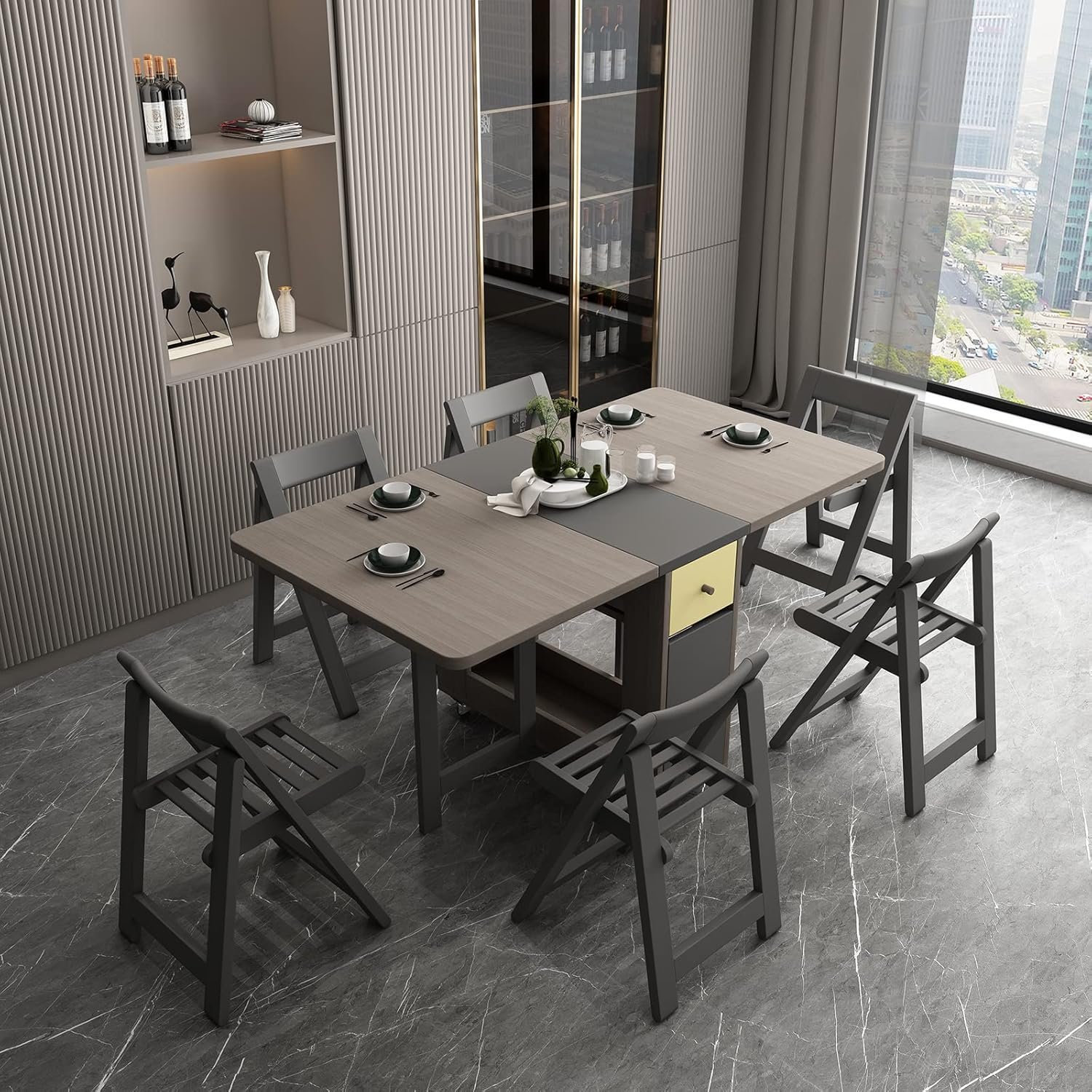
Folding tables have the big advantage of portability. For example, in my personal experience, I have several folding tables that are essential around the house—especially for events or outdoor gatherings. One of the biggest benefits is that they’re easy to carry and can be used in different locations. At home, we use them a lot around the pool; we simply take them out of storage, set them up in minutes, and they’re ready to serve all our guests. This type of table is incredibly practical when space is limited or when you need a quick setup.
Plus, there are folding tables designed for specific use cases—like camping or picnic tables that are lightweight and quick to assemble. I have one that’s perfect for taking to the countryside or even using in bed; it doesn’t take up space and stores behind the headboard with no problem. It’s very useful because when I need it, I just pull it out, place it, and that’s it.
For anyone looking for flexibility and space-saving furniture, folding tables are an ideal choice. They’re a smart backup solution: extra furniture when you need it, and easy to store away when you want to clear the space.
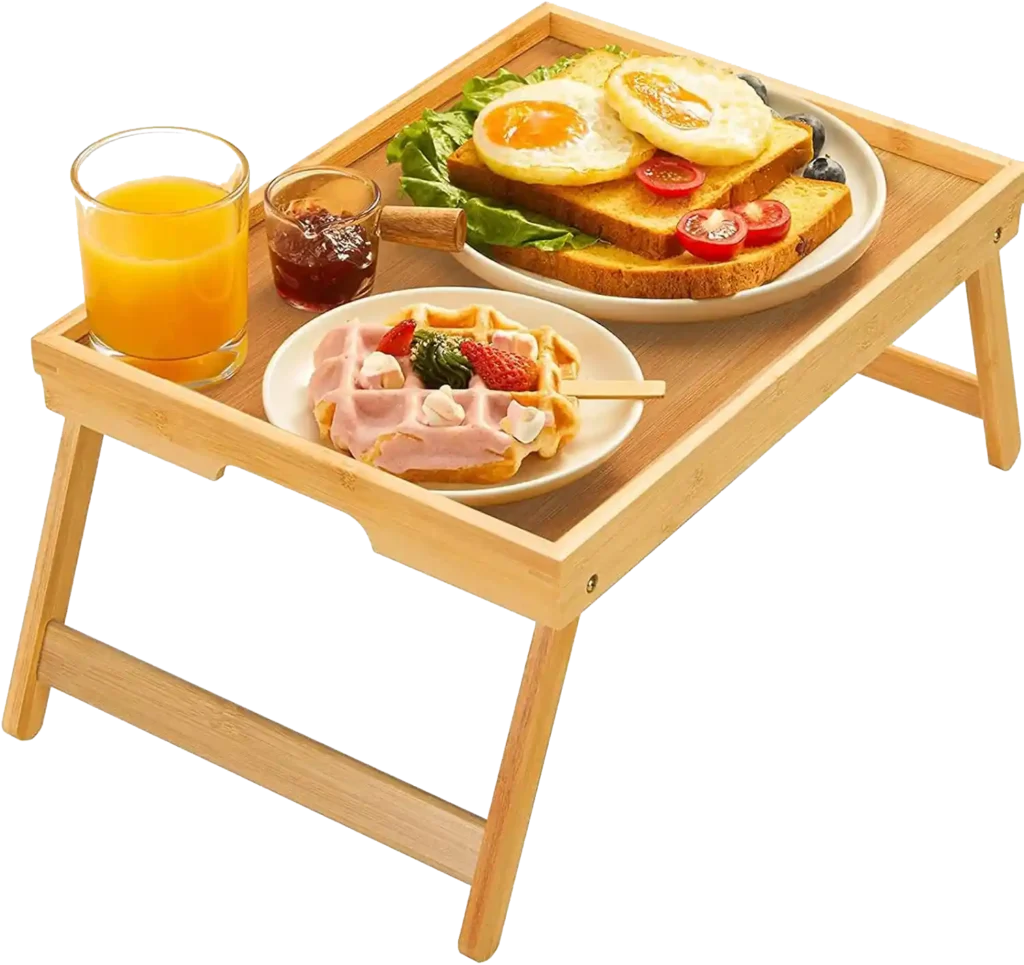
Bamboo Bed Tray with Folding Legs
- Brand: Pipishell
- Material: Bamboo
- Dimensions: 11″ D x 15.8″ W x 6″ H (inches)
- Color: Natural
Benefits of Fixed Tables: Stability and Aesthetics
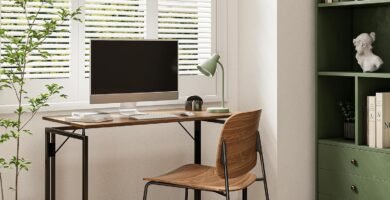
Fixed tables, on the other hand, offer different benefits that make them especially suitable for spaces where permanent functionality and décor are a priority. This type of table is sturdy and stable, which translates into a more comfortable experience and long-lasting structure. Fixed tables are ideal for dining rooms or work areas that don’t need to change constantly, and they usually feature more refined designs that enhance the space.
In my experience, fixed tables stand out for their stability and durability—especially for more formal use. While assembly can be a bit more involved and may require basic tools or professional help, the end result is a solid table that adds an elegant touch to the room. These tables are perfect for spaces designed with a specific style in mind because they contribute to the visual harmony of the environment.
Ideal Scenarios for Each Type of Table

Each table type has its place depending on your space and how you plan to use it. Folding tables, for example, are perfect for spaces where functionality changes often. Outdoors—by the pool, in the garden, or for temporary events—folding tables become an ideal solution. At home, a folding table can be the perfect add-on for spontaneous gatherings or as extra support for special occasions.
But if the space is meant for consistent, everyday use, a fixed table is a choice that rarely disappoints. In a dining room, for example, a fixed table is not only practical—it can also be a design focal point that integrates with the rest of the décor. These tables are meant to stay in one place and often enhance interior design with personality and style.
Drawbacks: Key Considerations for Folding and Fixed Tables
While both options offer important benefits, they also come with certain limitations. Folding tables, since they’re lighter, can be less stable and not as suitable for heavy-duty or long-term use. Also, their designs are usually simpler, which can limit how much they contribute to a room’s décor. They’re great for practical purposes, but not ideal if you’re looking for a sophisticated finish.
Fixed tables have their own challenges. Moving or installing them can be complicated and may require DIY skills or professional assistance. Plus, due to their size and weight, they’re not easy to relocate and they take up significant space that can’t be cleared quickly. This can be an issue in small or multi-purpose spaces where every square foot matters.
Which One Should You Choose? Tips Based on Space and Use
So—which one should you choose? The decision depends largely on your personal needs and the environment where you plan to use the table. If your space is limited or you need flexibility for events or gatherings, a folding table is the perfect option. In my case, the folding table has become an essential—everything from outdoor family activities to daily use in shared spaces.
However, if your space is dedicated and you want to create an elegant, welcoming atmosphere, a fixed table is an investment worth making. These tables offer long-lasting functionality and add character and style to the environment. A fixed table is ideal for a dining room, a formal work area, or any space where aesthetics and sturdiness are key.
In conclusion, both folding and fixed tables play an important role in home furniture, and the choice between them should be based on the balance between practicality and design. With this guide, I hope I’ve helped you identify the best option for your needs.